
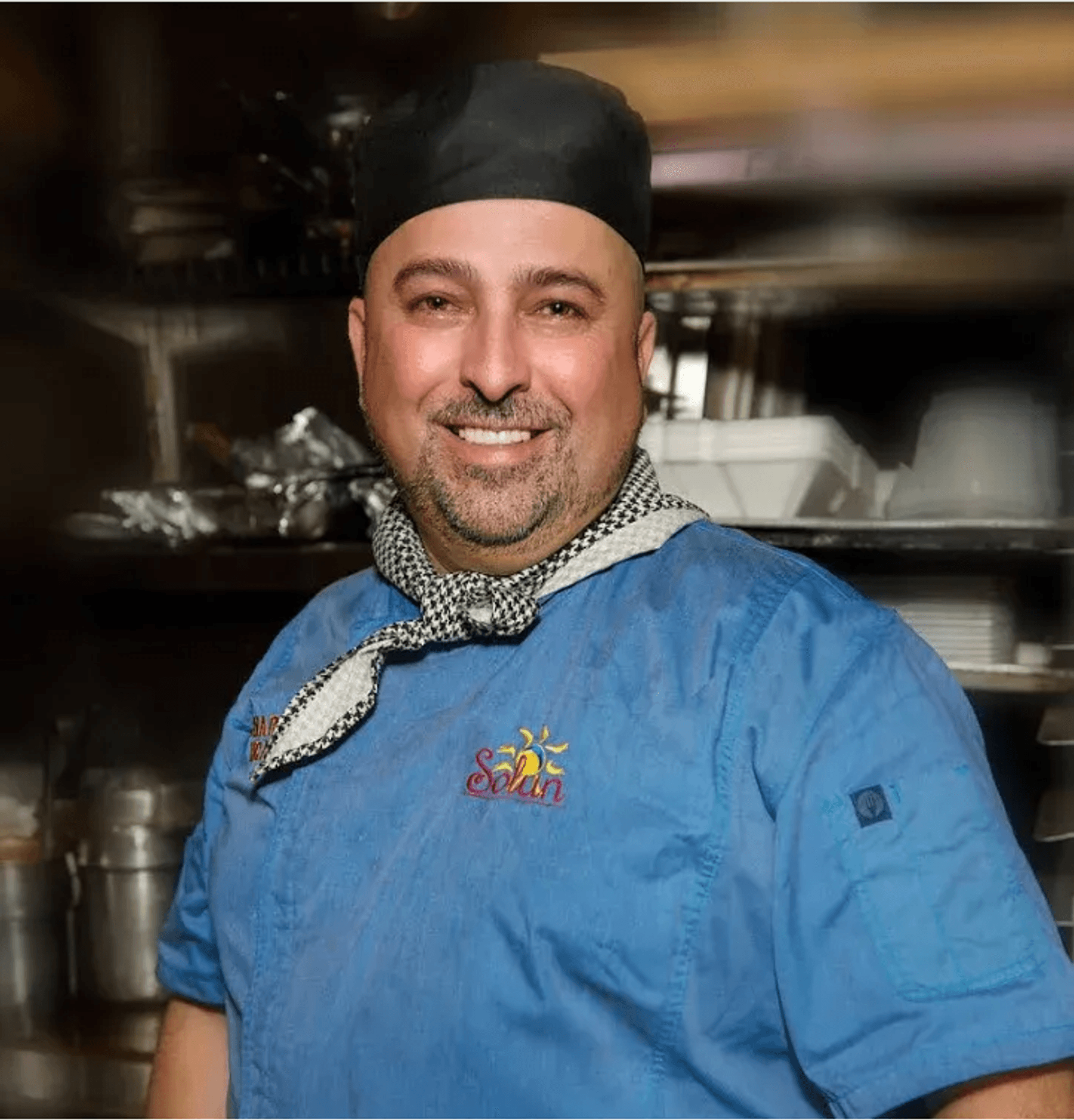
Chef Insights: Crafting Authentic Spanish Paella from Scratch
Chef Insights: Crafting Authentic Spanish Paella from Scratch
Discover the passion and precision behind authentic Spanish paella as Chef Carlos Hernandez, owner and executive chef of Solun Tapas, reveals the secrets to crafting this iconic dish from scratch. Unlock the heart and soul of Spain's culinary treasure and learn what it truly takes to elevate your dining experience with a genuine taste of the Mediterranean.
Opening Hook: The Heart and Soul Behind Authentic Spanish Paella
Authentic Spanish paella is more than just a meal—it’s a heartfelt expression of culture, tradition, and craftsmanship. Chef Carlos Hernandez shares his dedication to preparing every dish with love, emphasizing that true authenticity comes from cooking paella fresh to order rather than relying on shortcuts.
"We make an authentic paella from scratch at the time the people order," Carlos Hernandez explains. "The rice is cooked fresh, not pre-cooked like others. This is what truly captures the authentic Spanish flavor. " His commitment shines through every plate served at Solun Tapas, inviting guests to savor not only the rich flavors but also the history and passion embedded in each bite.
What You'll Learn: Mastering the Art of Authentic Spanish Paella
- Key components that define authentic Spanish paella
- Step-by-step guide to selecting ingredients and cooking techniques
- The importance of freshness and passion in crafting seafood paella
- Common pitfalls and how to avoid mistakes for perfect results
- Comparison between seafood and chicken paella, including health benefits
- Expert advice on sourcing ingredients and tools for home cooking
Overview of Authentic Spanish Paella: History and Cultural Significance
Defining Authentic Spanish Paella and Its Key Ingredients
Authentic Spanish paella originates from the Valencia region, celebrated as Spain’s most iconic rice dish. It is traditionally cooked outdoors in a wide, shallow pan called a paella pan to achieve its signature texture and flavor. The dish typically features a base of saffron-scented Spanish rice—specifically bomba rice, prized for its ability to absorb liquid without becoming mushy—paired with fresh ingredients ranging from seafood to meats and vegetables.
Essential to the dish is the harmony between simplicity and depth of flavor. According to Chef Hernandez, "Authenticity is not just about the ingredients, but how they come together using time-honored techniques that respect the dish's heritage. " This means using quality, fresh produce and carefully layering flavors to achieve a complex yet balanced profile.
The Importance of Fresh Seafood and Spanish Rice in Paella
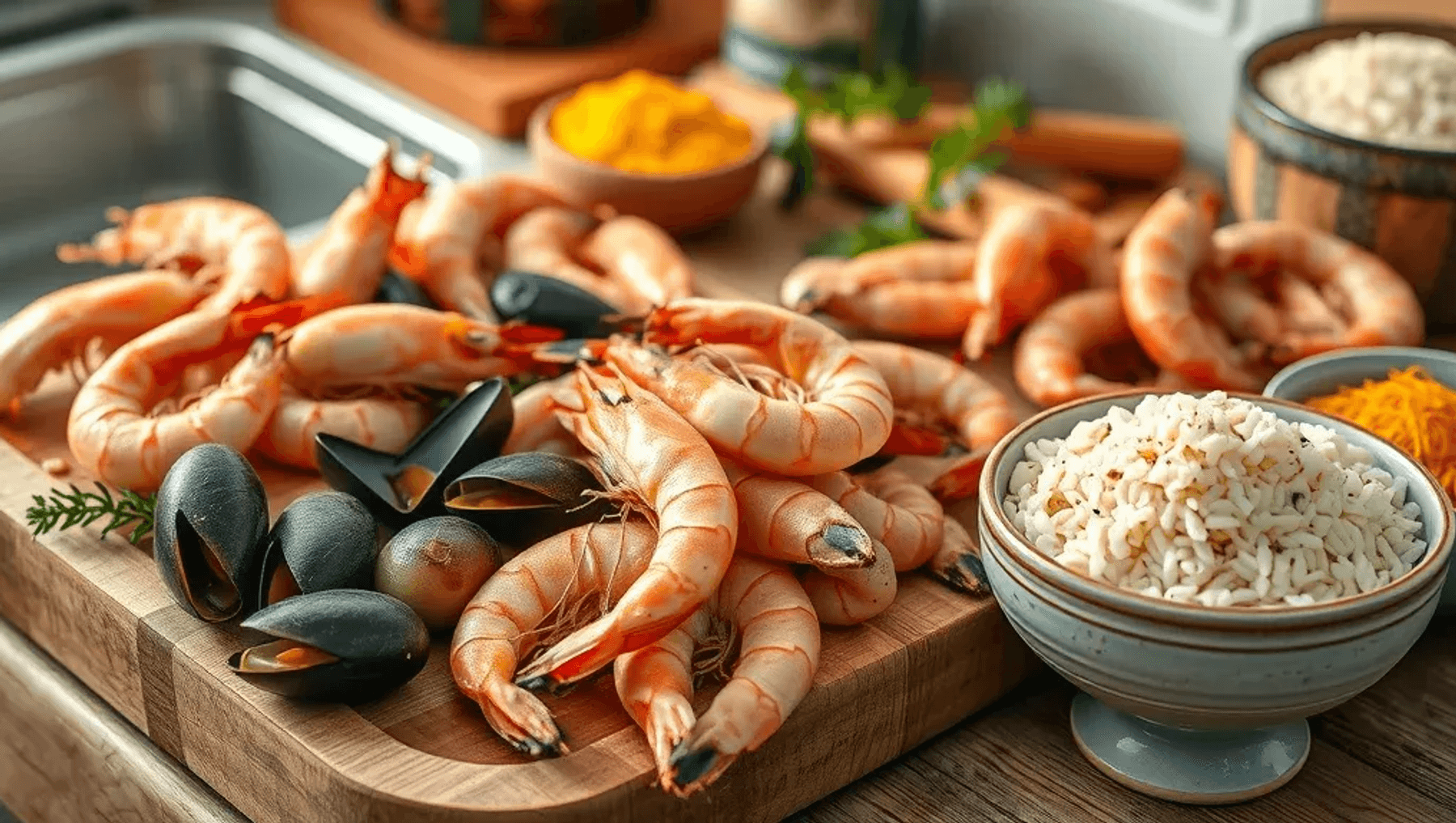
Fresh seafood is the cornerstone of seafood paella’s vibrant character. Shrimp, mussels, calamari, and other ocean delights bring delicate textures and natural sweetness to the dish. Chef Hernandez highlights sourcing: "At Solun Tapas, our seafood comes fresh from Boston, never frozen, which ensures every bite bursts with the ocean’s freshness. "
Equally crucial is the use of Spanish bomba rice. Unlike standard rice varieties, bomba rice expands laterally, keeping each grain distinct and providing the perfect al dente bite. This rice paired with saffron-infused broth creates the signature golden color and aromatic richness that defines authentic Spanish paella.
Breaking Down the Paella Recipe: Step-by-Step Guide to Make Paella
Selecting the Right Paella Pan and Ingredients
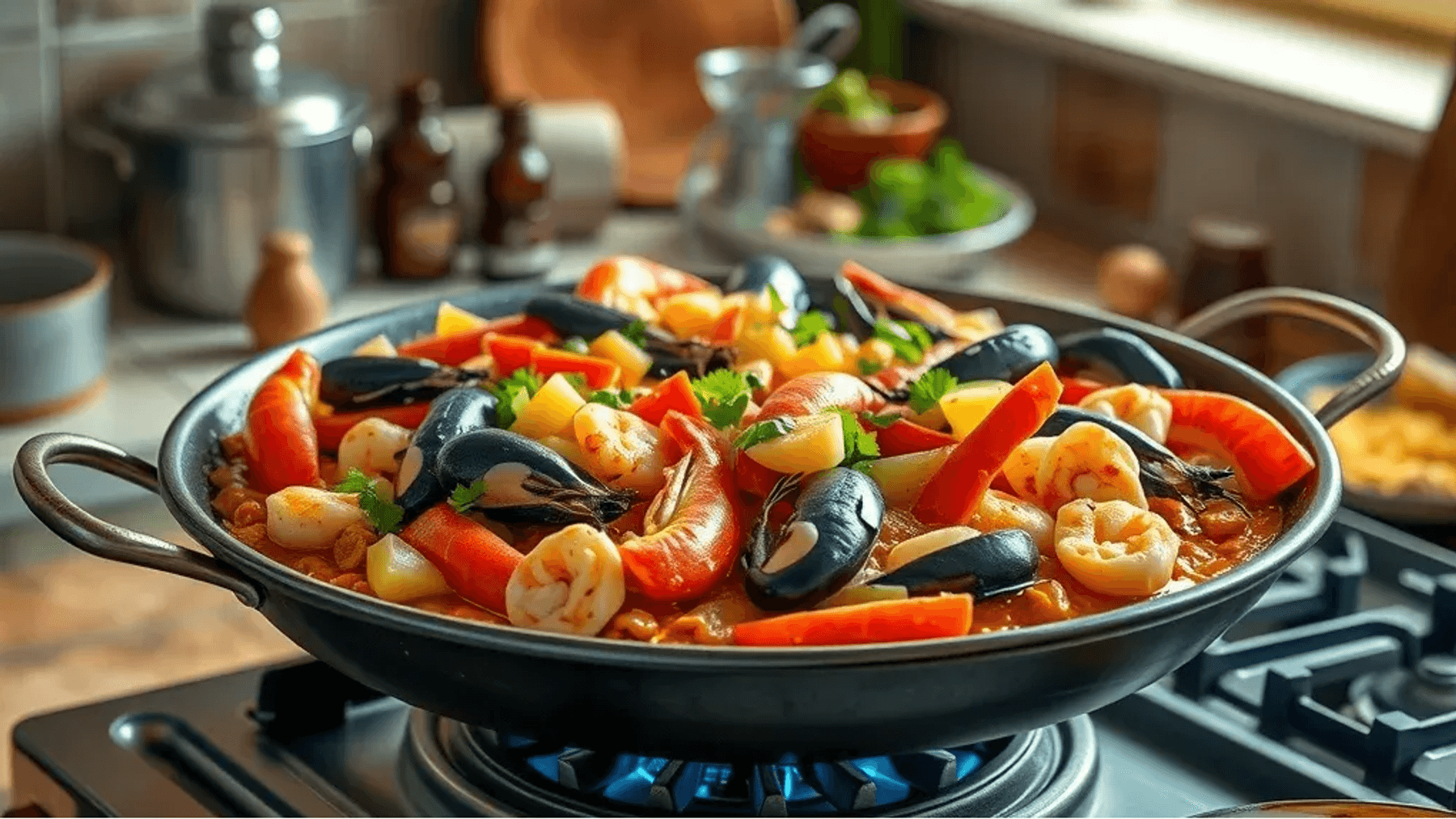
The perfect paella starts with the right tools. Chef Hernandez advises using a traditional wide, shallow paella pan to ensure even cooking and the development of the prized crispy socarrat layer at the bottom. The pan’s size depends on the number of servings, but maintaining the shallow depth is key to achieving authentic results.
Ingredients should be fresh and of high quality. From freshly harvested seafood to aromatic saffron and Spanish bomba rice, selecting these fundamentals sets the foundation for authenticity. Carlos stresses avoiding shortcuts like pre-cooked rice or frozen seafood, which compromise the integrity of the dish.
Cooking the Rice Dish Perfectly: Tips for Authentic Spanish Rice
Cooking the rice to perfection is an art form in authentic Spanish paella. The rice must absorb the flavorful broth slowly to absorb all its essence without becoming overly soft. Chef Hernandez shares, "We cook the rice fresh when ordered, which takes about 25 to 35 minutes, allowing the flavors to develop fully and creating that perfect texture. "
Achieving the socarrat, the crispy caramelized rice crust at the pan’s bottom, requires precise heat management. This textural contrast distinguishes authentic paella from ordinary rice dishes and is a mark of skill and patience in preparation.
Expert Insights & Best Practices from Chef at Solun Tapas
Chef Carlos Hernandez of Solun Tapas explains, "We make an authentic paella from scratch at the time the people order. The rice is cooked fresh, not pre-cooked like others. This is what truly captures the authentic Spanish flavor."
Why Freshness and Passion Are Essential in Seafood Paella
For Chef Hernandez, passion is the invisible ingredient that elevates every paella. Freshness in seafood not only enhances flavor but also respects the delicacy of each ingredient. "Seafood requires love and care—it's a delicate dish that deserves the best treatment," he emphasizes.
This dedication results in dishes that echo traditional Spanish flavors while providing guests with an unforgettable culinary experience reflective of true Mediterranean passion and craftsmanship.
Common Mistakes When Making Paella and How to Avoid Them
Common missteps include using pre-cooked rice, overcrowding the pan, improper heat control, and neglecting the quality of ingredients. Carlos warns, "Some try to rush paella by pre-cooking rice or using frozen seafood, but this sacrifices the soul of the dish. "
He advises patience and adherence to authentic methods—cooking rice fresh, layering ingredients with care, and monitoring heat closely to develop that sought-after socarrat without burning.
Comparing Chicken Paella and Seafood Paella: Which to Choose?
Flavor Profiles and Ingredient Differences
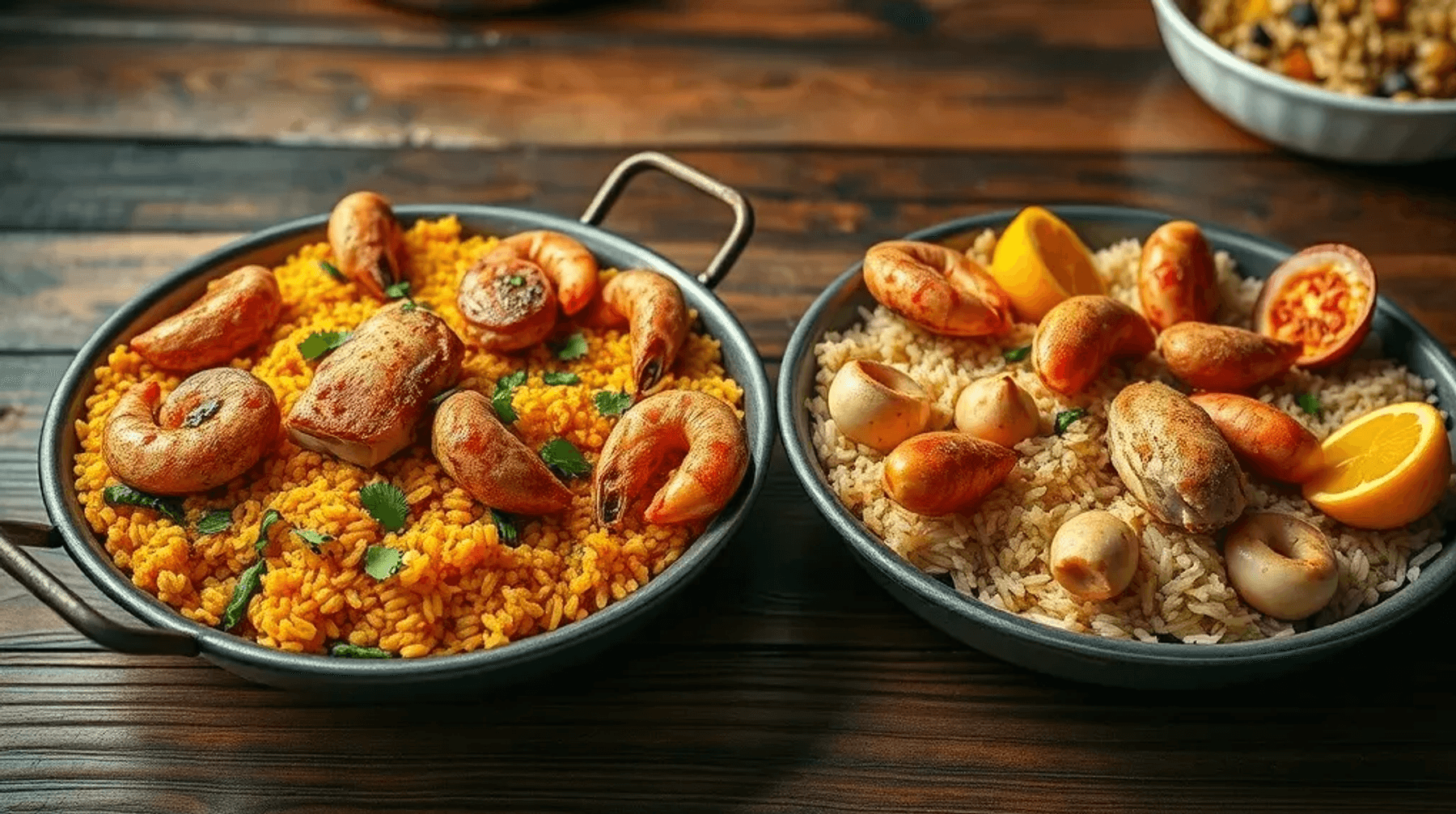
Chicken paella offers a heartier, earthier flavor profile, often complemented by rabbit or vegetables. Seafood paella, in contrast, is lighter, featuring the fresh sweetness of marine ingredients combined with saffron and smoky paprika. Chef Hernandez prefers seafood paella for its delicate elegance and freshness, saying, "Seafood paella resonates with people who enjoy vibrant, natural flavors balanced carefully. "
Health Benefits of Seafood Paella Over Meat-Based Versions
Seafood paella is lower in saturated fat and packed with omega-3 fatty acids, promoting heart health and offering a lighter alternative to meat-heavy versions. The emphasis on fresh fish and shellfish also boosts nutritional value, aligning with modern preferences for wholesome, health-conscious dining options.
Essential Ingredients for Authentic Spanish Paella
Spanish Bomba Rice, Saffron, and Quality Broth
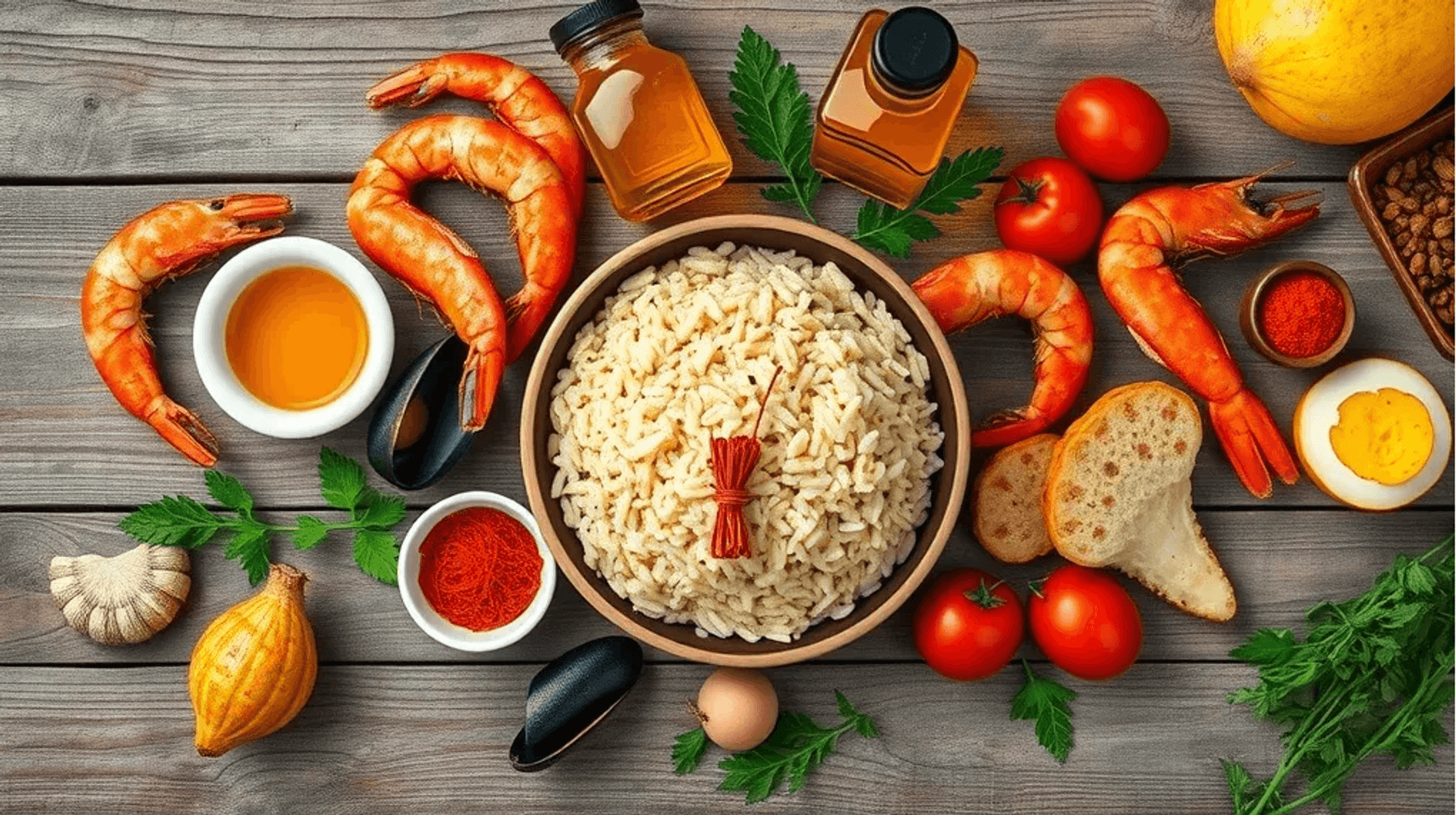
Bomba rice is irreplaceable for its unique texture and absorption properties. Saffron threads provide the iconic golden color and distinct floral aroma. Chef Hernandez insists that the broth must be rich and flavorful—often homemade or carefully selected—to infuse the rice deeply, creating layers of taste that define true paella.
Fresh Seafood Selection: Shrimp, Mussels, Calamari, and More
An authentic seafood paella showcases a vibrant medley of shrimp, mussels, calamari, and occasionally clams or lobster. Each element adds nuance, texture, and color, contributing to a visually stunning and flavorful dish. Freshness is non-negotiable; ingredients must be top quality to honor the recipe's integrity.
Paella Pan and Cooking Techniques: Tools to Make Paella Perfectly
Choosing the Right Paella Pan and Burner
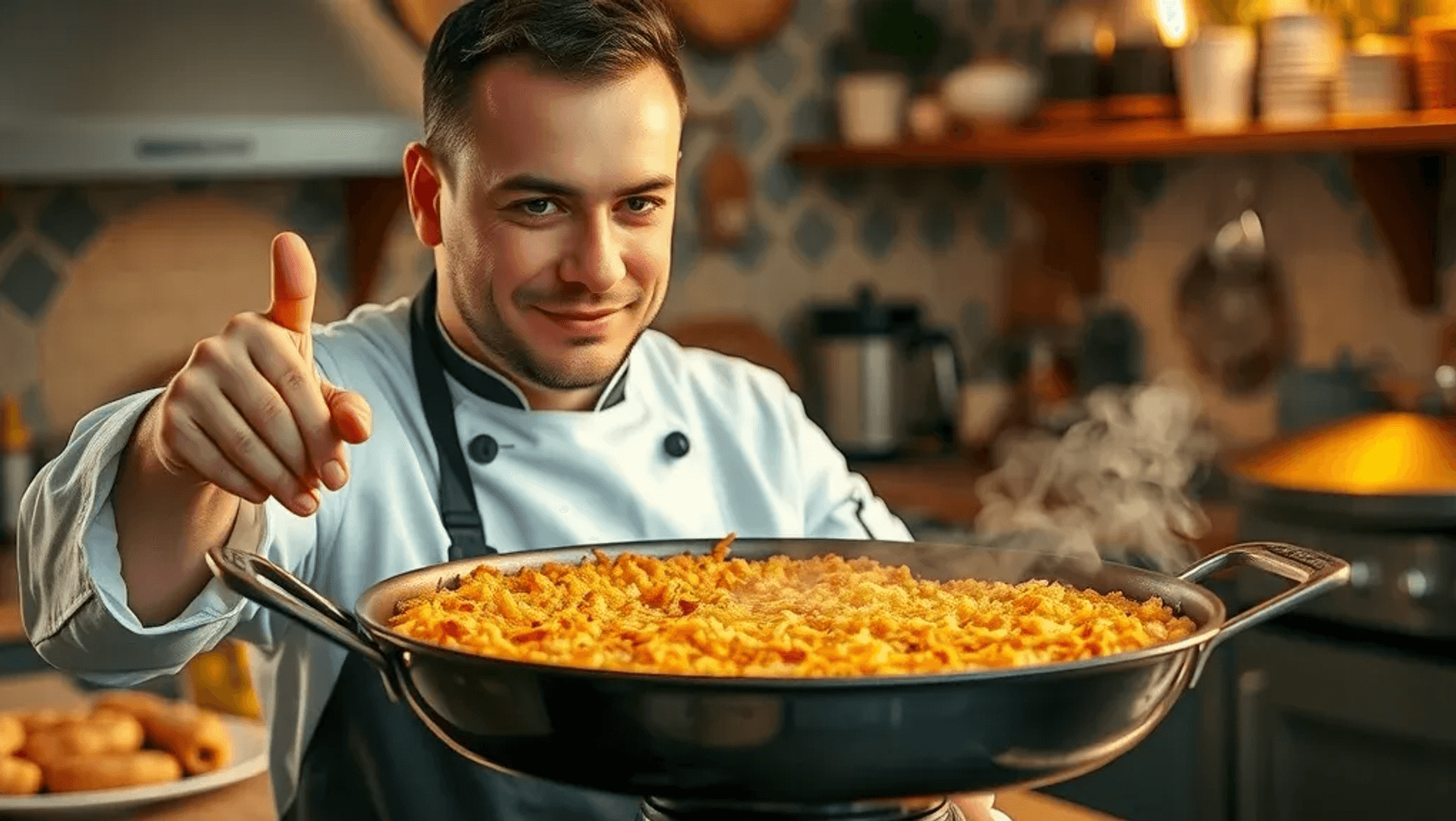
The pan is the dish’s stage; a traditional carbon steel paella pan captures heat evenly to cook perfectly. The burner should provide consistent heat across the entire surface. Carlos advises selecting a pan size appropriate for the crowd but prioritizing shallow depth to optimize cooking and socarrat creation.
Techniques to Achieve the Perfect Socarrat (Crispy Rice Bottom)
The coveted socarrat adds texture and flavor depth. Achieving it requires steady, controlled heat during the final stages of cooking. Chef Hernandez explains, "You gently increase the heat after the rice absorbs the broth, allowing the bottom to crisp without burning, creating that irresistible caramelized crust. "
People Also Ask: Answering Common Questions About Authentic Spanish Paella
What is the real Spanish paella?
The real Spanish paella is a rice dish from Valencia made traditionally with bomba rice, saffron, and fresh ingredients cooked in a wide, shallow pan to develop layers of flavor and a crispy rice socarrat.
What is the most authentic paella?
The most authentic paella adheres to traditional recipes—fresh bomba rice, quality saffron, homemade broth, and fresh seafood or meats cooked fresh to order without shortcuts like pre-cooked rice.
What are the common mistakes when making paella?
Typical errors include using pre-cooked rice, overcrowding the pan, inconsistent heat, and using frozen or low-quality seafood. Avoiding these is critical to preserve authenticity.
What is the secret ingredient in paella?
The secret ingredient is patience combined with fresh ingredients and passion for the process, allowing the dish to develop authentic flavors—along with saffron. This signature spice defines paella’s aroma and color.
Actionable Tips for Readers: How to Make Authentic Spanish Paella at Home
Step-by-Step Checklist for Preparing Your Paella
- Procure fresh bomba rice, saffron threads, quality broth, and fresh seafood or chicken.
- Use a traditional paella pan sized for your servings.
- Prepare ingredients by cleaning seafood and chopping vegetables.
- Sauté ingredients in olive oil, layering flavors carefully.
- Add rice and broth, cook slowly without stirring, monitoring heat.
- Finish by increasing the heat to create socarrat without burning.
- Rest paella briefly before serving to enhance flavors.
Tips for Sourcing Authentic Spanish Ingredients Locally
Look for specialty stores that carry Spanish saffron and bomba rice. For seafood, seek reputable fishmongers who offer fresh, never-frozen options. Many online vendors also provide curated Spanish pantry staples delivered to your door, making authentic cooking accessible no matter your location.
Key Takeaways: What Makes Authentic Spanish Paella Truly Special
Chef Carlos Hernandez emphasizes, "Authentic Spanish paella is about patience, fresh ingredients, and cooking with passion. It’s not just a dish, it’s an experience."
Conclusion: Elevate Your Dining Experience with Authentic Spanish Paella
Embrace tradition by choosing fresh ingredients, cooking paella from scratch, and allowing the dish to develop its rich flavors patiently. This dedication guarantees an authentic Spanish paella that brings the authentic spirit of Spain to your table.
Call to Action
- Call Solun Tapas at 203-298-9741 for great food and an authentic Spanish paella experience!